Wearing white for a whole wedding year means a lot of white near food, drink, makeup and grass. Some marks are unavoidable. The aim is not to be anxious all evening; it is to set yourself up so most things never land, and so the ones that do are dealt with calmly.
This guide covers three stages: before the event, during it, and after it. It applies to everything from the bridal shower dress to the after-party outfit.
A note before anything else: fabrics and finishes vary a great deal. Always read the care label on each piece, and test any product or treatment on a hidden seam first. No method can promise that a mark will come out.
Before: storing, steaming and packing
Storing. Keep white pieces in a breathable cotton garment bag or a clean pillowcase, not in a plastic dry-cleaning bag, which can trap moisture. Store them somewhere cool, dark and dry, away from direct sunlight. Hang structured pieces on padded hangers; fold knits so they do not stretch.
Keep them apart. Do not store white next to dark or newly dyed clothes, especially denim, which can transfer color with friction or damp. When traveling, give white pieces their own packing cube or bag.
Steaming. A handheld steamer is gentler than an iron for most dress fabrics. Check the care label first, since some fabrics and finishes do not tolerate steam or heat. Steam from inside the garment where possible, keep the head moving, and make sure the water tank is clean so nothing marks the fabric. Let the piece dry fully before you put it on.
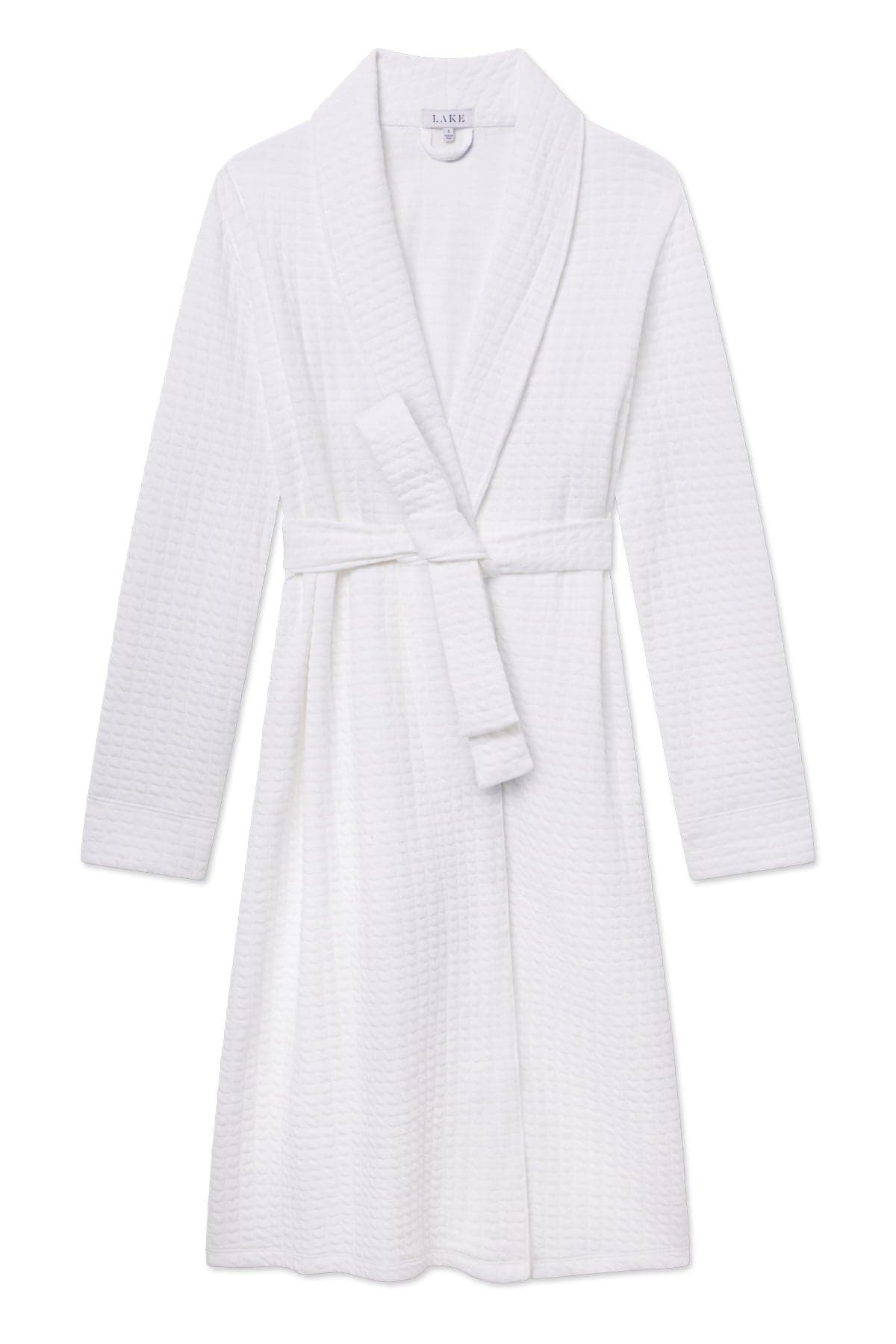
Get dressed last. Do your makeup, hair, self-tan, perfume and lotion before the white piece goes on, and let everything dry. Spray perfume onto skin rather than fabric. A button-front robe or shirt while you get ready means nothing has to go over your head afterward.
Pack a small kit. Keep it in your bag or with someone you trust:
- A stain-remover pen or wipes, already tested on a hidden seam of what you are wearing
- A small white cloth or plain white napkin for blotting
- A lint roller
- Safety pins and a small sewing kit
- Blotting papers for your face, so you are not touching up near a collar
- White chalk, which can disguise a small mark on some fabrics; test it first
During: food, drink, makeup and the ground
Food. Sit close to the table and keep a napkin on your lap. Take smaller bites of anything with sauce, oil or berries. At a buffet or passed canapés, hold a napkin under the plate.
Drink. Hold glasses by the stem. Red wine, coffee and colored cocktails are the hardest on white; if you would rather not worry, choose white wine, sparkling, or a clear drink. Put your glass down before you hug anyone.
Makeup. Foundation and lipstick tend to transfer at necklines and when hugging or putting a top on. Set your makeup, and if you need to change outfits during the day, cover your face with a thin scarf or a clean cloth as the new piece goes on.
Sitting. Look before you sit. Wooden benches, painted chairs, car seats and outdoor furniture can all leave marks. Lay a napkin or shawl down if you are unsure.
Outdoor ground. Grass stains, mud and red dust are common on hems. Hold long hems up on soft ground, choose shoes that keep you from sinking, and avoid kneeling on grass for photos without something underneath.
If something lands. Stay calm and do not rub, which can spread a mark and damage fibers. Blot gently from the outside of the mark inward with a clean white cloth. If the care label allows water, a little cold water on the cloth can help; hot water can set some stains. Use your stain-remover pen only if you have already tested it on that fabric. Then leave it until after the event.
After: the same night and the next few days
The same night. Take the piece off as soon as you reasonably can and look at it in good light. Note any marks, including faint ones such as makeup at the neckline or sweat at the underarms, which can show more later. Hang or lay it flat to air somewhere clean.
Read the care label. It tells you whether the piece can be washed at home, how, and at what temperature, or whether it should only be dry-cleaned. If there is no label or you are unsure, treat it as dry-clean only.
Home-washable pieces. Follow the label. Treat marks as soon as you can, with a product suited to the fiber and tested on a hidden seam first. Avoid heat until you are satisfied the mark has gone, since a dryer or iron can make it permanent.
Delicate, beaded or structured pieces. Silk, satin, lace, beading, sequins and anything with a lining or structure should go to a cleaner. Take it in soon, point out every mark, and tell them what caused it if you know: wine, oil, makeup, grass. That helps them choose the right treatment. Ask them before agreeing to anything that worries you.
Store it clean. Put white pieces away only once they are fully clean and dry. Marks that look invisible can yellow over time in storage.
Browse white pieces that are easy to care for in the getting-ready edit and across the shop.
Keeping white clean FAQ
- What should be in a stain kit for a white dress?
- A stain-remover pen or wipes tested on a hidden seam, a white cloth for blotting, a lint roller, safety pins and blotting papers. Some people add white chalk for small marks, which should also be tested first.
- What should I do if I spill red wine on a white dress?
- Blot gently with a clean white cloth without rubbing, and use a stain treatment only if you have tested it on that fabric. Check the care label after the event and take delicate pieces to a cleaner promptly, pointing out the mark.
- Can I wash a white satin or beaded dress at home?
- Check the care label first. Satin, silk, lace and beaded pieces are usually safer with a professional cleaner, and telling them what caused each mark helps them treat it.